Template: A Handwritten Font for Digital Design
As a web designer, I’ve spent countless hours selecting the right typefaces to elevate digital experiences. Fonts aren’t just about aesthetics—they shape how users perceive and interact with content. Template, a sweet and friendly handwritten font, offers a unique blend of charm and functionality that can transform your design projects. Whether you're building a landing page, crafting a brand identity, or designing a course sales page, Template brings warmth and personality to your layouts.
The Personality of Template
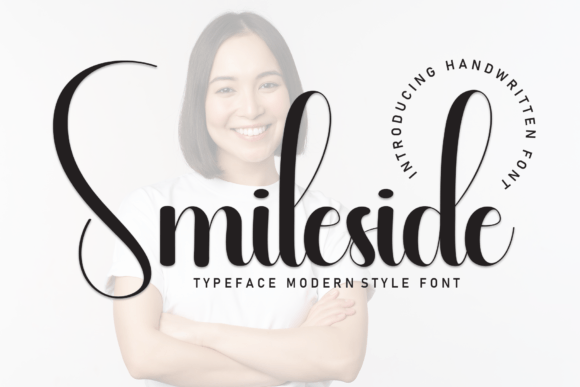
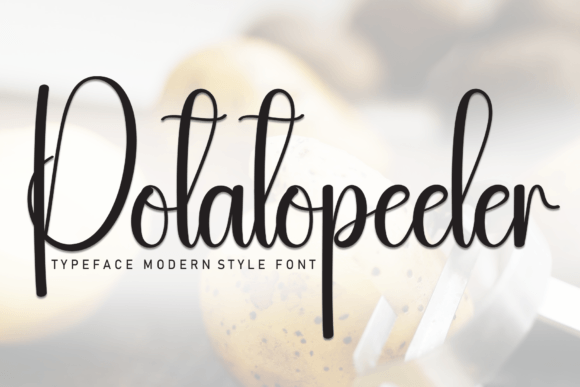
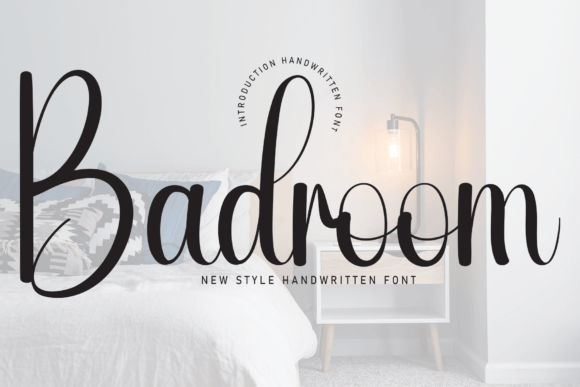
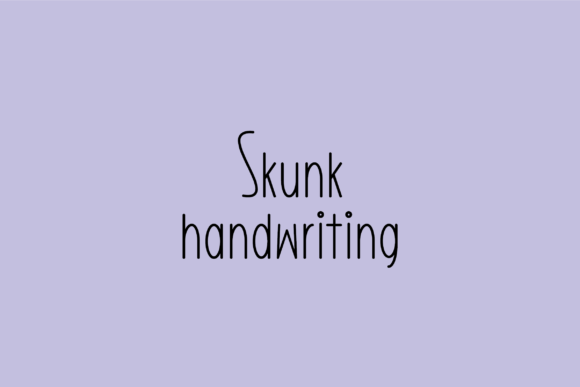
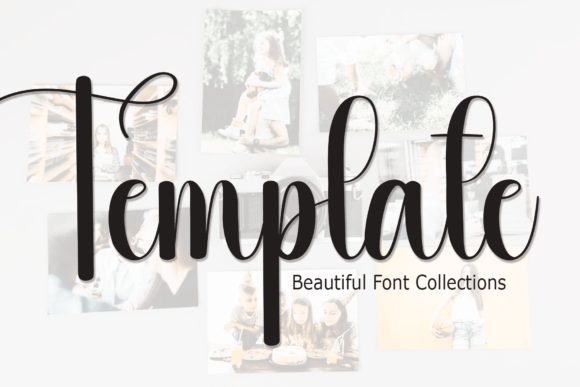
Template is more than just a script font—it’s a character. Its handwritten style evokes a sense of intimacy and approachability, making it ideal for creative brands, boutique online stores, and personal websites. The font features soft curves and playful strokes that add visual interest without overwhelming the reader. It’s not overly ornate, which means it maintains readability even in larger sizes.
One of the key strengths of Template is its versatility. It works well as a display font, but it also supports smaller text with clarity. This makes it suitable for both headings and body copy, depending on how you use it. Its natural flow helps guide the eye across the page, supporting intuitive scanning behavior and improving user engagement.
Using Template in Web Design
Incorporating Template into your design toolkit opens up a range of possibilities. Here are some practical applications:
- Hero Sections: Use Template for bold, attention-grabbing headers that set the tone for your page.
- Landing Pages: Pair it with a clean sans-serif font for body text to create a balanced contrast.
- Call-to-Action Buttons: Its friendly nature makes it perfect for encouraging clicks and conversions.
- Online Store Banners: Add a touch of personality to product displays while maintaining readability.
- Blog Headers: Give your blog posts a warm and inviting start with Template’s handwritten charm.
- Portfolio Sites: Showcase your work with a font that feels personal and authentic.
When using Template in these contexts, consider its impact on visual hierarchy. As a display font, it excels at drawing attention to key elements like headlines or logos. However, it’s important to balance it with simpler fonts for body text to ensure legibility across all screen sizes.
Readability and Responsiveness
Readability is crucial in web design, especially on mobile devices. Template performs well in responsive layouts, adapting smoothly to different screen sizes. On small buttons or dark backgrounds, its contrast ensures clear visibility. For light backgrounds, subtle shadowing or outlines can enhance legibility without sacrificing its handcrafted feel.
When placing Template over image overlays, test its visibility carefully. While its organic style adds charm, it may require additional styling to stand out against complex visuals. Always prioritize user experience by ensuring text remains scannable and accessible across all platforms.
Font Pairing Strategies
Pairing Template with complementary fonts can elevate your design further. For a modern look, pair it with a minimalist sans serif font like Avenir or Helvetica Neue. This combination creates a strong contrast between the decorative and the clean, enhancing visual balance.
If you’re aiming for an editorial or branding feel, consider pairing Template with a serif font such as Garamond or Baskerville. This pairing adds depth and sophistication to your design while retaining the friendly tone of Template.
For a cohesive brand identity, explore font alternates and weights included in the Template package. These variations allow for greater flexibility in creating consistent typography across your website, social media graphics, and digital assets.
Commercial Licensing and Practical Considerations
Before using Template in commercial projects, verify its licensing terms. Most premium fonts, including Template, offer commercial use rights for websites, landing pages, online stores, and digital templates. Ensure that you have access to webfont formats (like WOFF and OTF) for seamless integration into your designs.
Additionally, check for multilingual support if your project requires non-English characters. Some fonts may have limited character sets, so it’s essential to confirm compatibility before finalizing your design choices.
Final Thoughts
Template is more than a font—it’s a design tool that can enhance your brand’s voice and improve user engagement. Whether you’re building a creative portfolio, launching a boutique store, or crafting a course sales page, this handwritten font adds a unique touch that resonates with your audience. By understanding its strengths and limitations, you can leverage Template to create visually appealing and functionally effective digital experiences.